Lower

join our community

Tap into refreshing news, views and top tips that are good for you, your pocket, and the planet.

1

Collecting water

Yep, we’ve heard it before, “it rains loads in Scotland, so it’s just a case of collecting it and delivering it to our taps.” Well, it’s not quite that simple. But one part of that statement is correct. In Scotland all our water comes from rain. From there two things happen:

  1.  Water flows into streams, rivers, lochs and reservoirs. This is surface water.
  2.  Water can also seep into the ground, forming pools. This water can be very pure, as many pollutants are naturally filtered out. This is called ground water. Ground water supplies most of our customers. A few receive their tap water from surface water sources.
Read more
2

Treating water

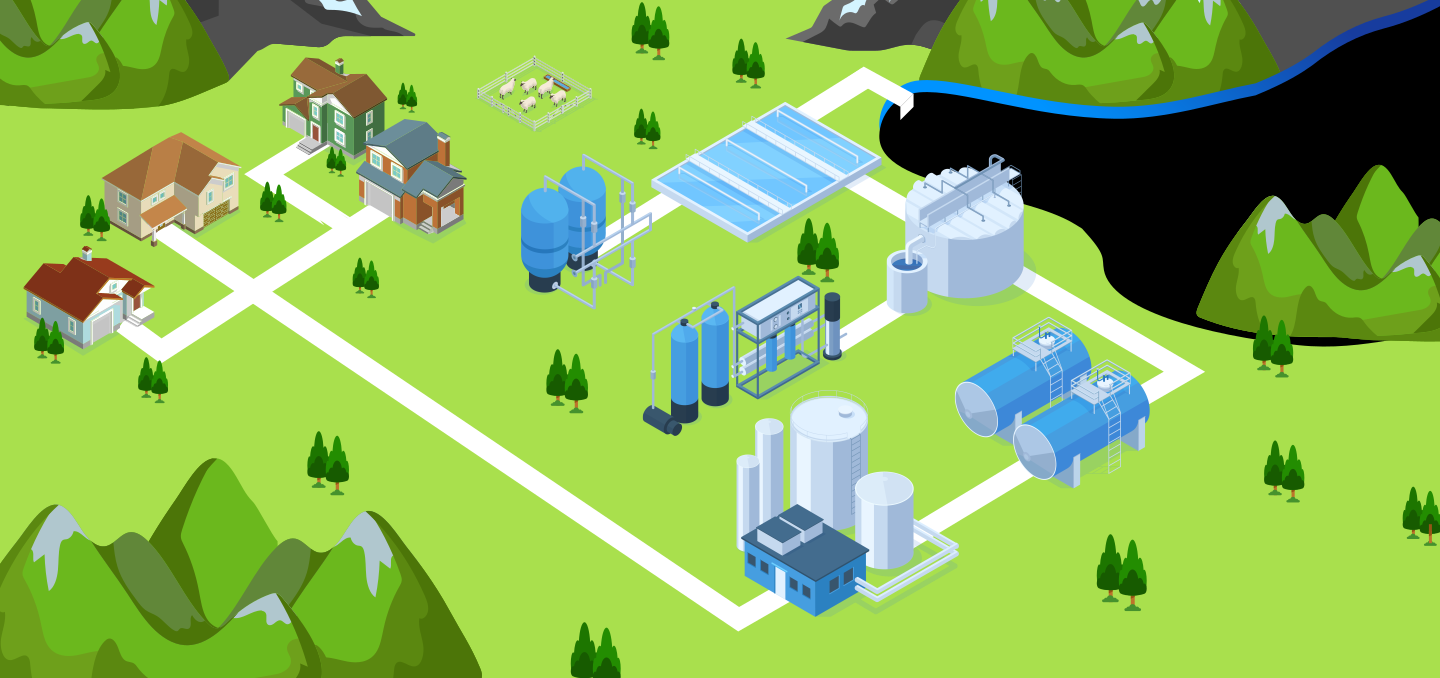
Treatment depends on where the water has come from. Surface and ground waters do contain some naturally occurring substances. Each water source has unique characteristics and requires a tailored treatment process to make sure it’s safe for you to drink. All water goes through a rigorous 6-point treatment process: screening, aeration, clarification, filtration, disinfection, PH adjustment.

3

Fixing leaks

Climate change and different weather patterns make it harder to deliver the water and waste water services Scotland needs. We’re investing over £800 million a year so everyone can do the things they value most in their lives. We are working to make sure we can meet future challenges, especially around climate change, maintaining and replacing ageing infrastructure, and reducing carbon emissions.

4

Testing water

To ensure Scottish Water continue to provide the cool, fresh water we know and love to our customers’ taps, testing our water supplies every day is a vital part of our job. Though an unseen activity, our scientific services team, on average, carry out one water quality test per minute! From your tap to our labs, water quality is tested in several areas. The chemistry team trace compound levels impacting taste and odour, while microbiology oversee the protection of public health and drinking water quality by testing for bacteria. We don’t just test drinking water though; we also test wastewater and business effluent to ensure we continue to comply with environmental regulations.

1
2
3
4
1

Collecting water

Yep, we’ve heard it before, “it rains loads in Scotland, so it’s just a case of collecting it and delivering it to our taps.” Well, it’s not quite that simple. But one part of that statement is correct. In Scotland all our water comes from rain. From there two things happen:

  1.  Water flows into streams, rivers, lochs and reservoirs. This is surface water.
  2.  Water can also seep into the ground, forming pools. This water can be very pure, as many pollutants are naturally filtered out. This is called ground water. Ground water supplies most of our customers. A few receive their tap water from surface water sources.
Read more
2

Treating water

Treatment depends on where the water has come from. Surface and ground waters do contain some naturally occurring substances. Each water source has unique characteristics and requires a tailored treatment process to make sure it’s safe for you to drink. All water goes through a rigorous 6-point treatment process: screening, aeration, clarification, filtration, disinfection, PH adjustment.

3

Fixing leaks

Climate change and different weather patterns make it harder to deliver the water and waste water services Scotland needs. We’re investing over £800 million a year so everyone can do the things they value most in their lives. We are working to make sure we can meet future challenges, especially around climate change, maintaining and replacing ageing infrastructure, and reducing carbon emissions.

4

Testing water

To ensure Scottish Water continue to provide the cool, fresh water we know and love to our customers’ taps, testing our water supplies every day is a vital part of our job. Though an unseen activity, our scientific services team, on average, carry out one water quality test per minute! From your tap to our labs, water quality is tested in several areas. The chemistry team trace compound levels impacting taste and odour, while microbiology oversee the protection of public health and drinking water quality by testing for bacteria. We don’t just test drinking water though; we also test wastewater and business effluent to ensure we continue to comply with environmental regulations.

Step 1